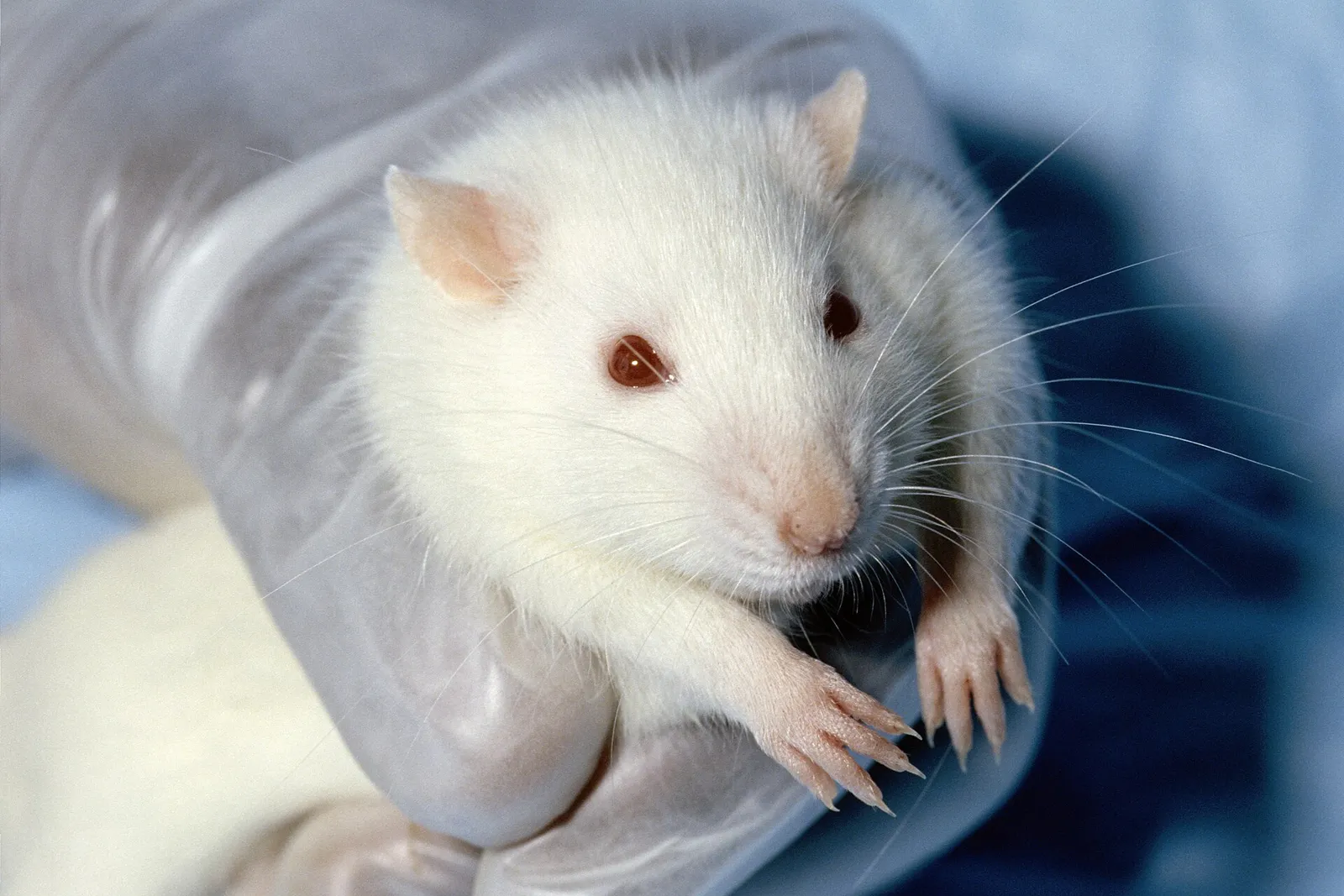
Field guide
Watch closely. Measure kindly.
Tracking anxiety-like behaviour, social choice, memory and zebrafish larvae, with an eye on welfare throughout.
Image: credit
Animals tell us a lot if we watch carefully: how long they hug the wall, which cup they sniff, where they search when the platform has gone. Tracking software turns that watching into numbers, and automated behaviour analysis goes further, with automated recognition of the strategies correlated with specific behaviours, so scoring is fast and efficient and the quantitative evidence is reliable, reproducible and fair across groups.
This guide moves through the main families of tests, anxiety, social, memory and larval zebrafish, with practical tips for each. It finishes with the 3Rs, because good tracking is also a welfare tool: more information per animal, less handling and, sometimes, no animal at all.
Explore
On this site
Reading worry in an open space
How animal behavior tracking measures anxiety-like behaviour in the open field, elevated plus maze and novelty suppressed feeding.
Who's your neighbour? Tracking social choice
Animal behavior tracking for social tests such as three-chamber sociability and social novelty.
Mazes, objects and memory
Animal behavior tracking for learning and memory tests: water maze, Barnes maze, dry maze, object recognition and placement.
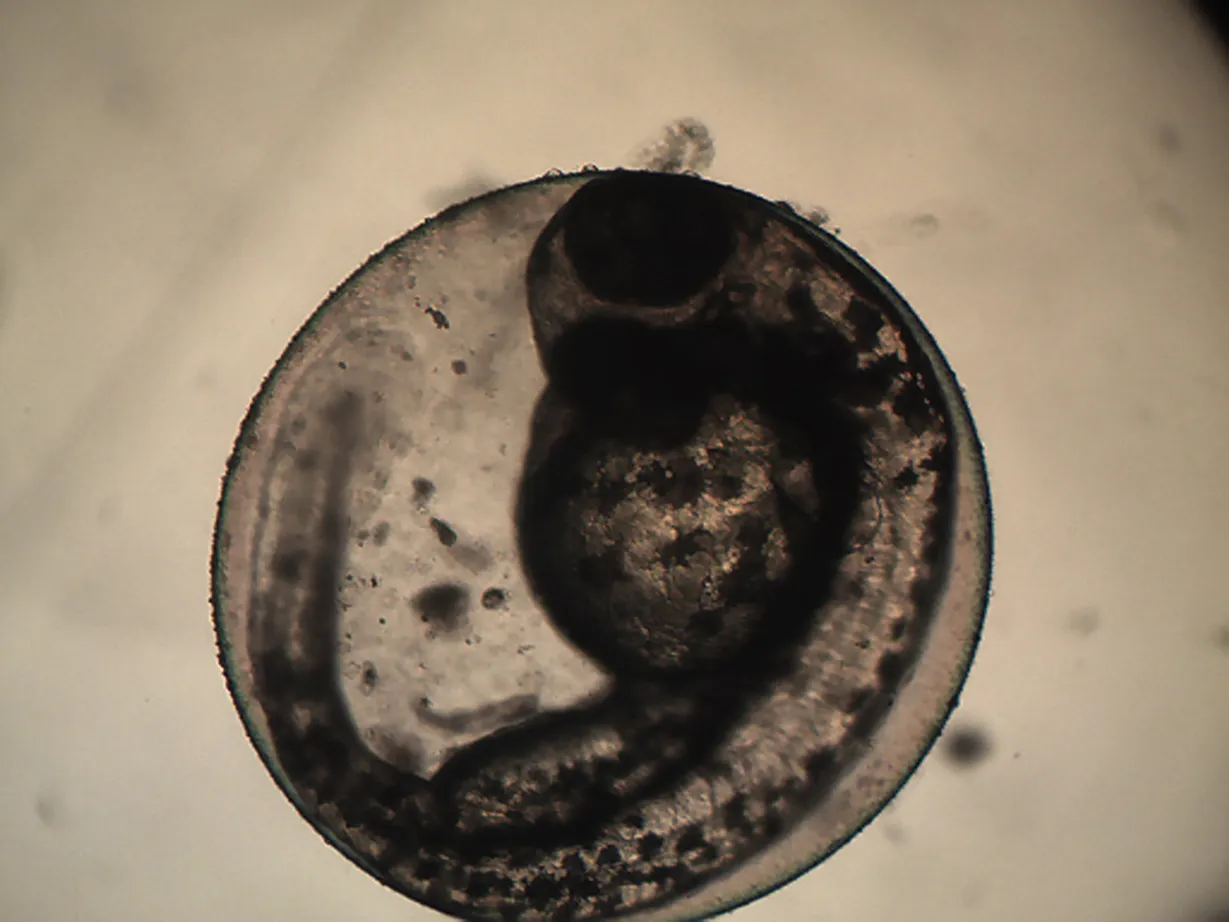
Life in a 96-well plate
Animal behavior tracking for zebrafish larvae in 48 or 96 well plates: activity, light-dark responses and screening.
Tracking and the 3Rs
How automated animal behavior tracking supports replacement, reduction and refinement in animal research.
Watch
HVS 6D VR Morris Water Maze: Idealized Environment - Fully Immersive Virtual Reality
The human, virtual version of a classic rodent task, one practical route to replacement in the 3Rs.
Video from the HVS Image channel on YouTube. It's loaded in privacy-enhanced mode and only plays when you press play.
From the journals
Field reports
Automated scoring review, HVS-tracked open field, and a sensory-confound warning for maze labs. Our words; originals one click away.
Teaching a computer what a rearing rat looks like
This open-access mini review from the University of Sherbrooke starts from an awkward truth: much of rodent behaviour has been scored by hand, counting bouts and describing postures, which is slow and hard to repeat. The authors break behaviour into building blocks, from whole patterns down to single movements and the poses inside them, so that software has something clear to recognise. Supervised systems learn from examples a researcher has labelled, such as rearing; unsupervised ones look for structure on their own and may spot parts of the ethogram people miss. HVS Image is named among the five main companies selling ready-to-use packages for maze, open field and social tracking, with the sensible caveat that any system should be checked against human scoring. Their verdict: automated, quantitative assessment is where behavioural science is heading.
Read the original at Frontiers in Behavioral NeuroscienceWarfarin, vitamin K and a quieter open field
Young male Wistar rats were kept for ten weeks on warfarin plus vitamin K1, a recipe that keeps blood clotting normal while starving the brain of its own form of vitamin K, MK-4. Brain MK-4 fell to roughly a quarter to two fifths of control levels. In the open field, tracked with an HVS 2020 system and HVS Image software, treated rats travelled less far and crossed fewer squares; they were also slower to learn the water maze. The elevated plus maze showed no change in anxiety-like behaviour, a useful reminder that less movement is not the same as more worry. Rats with more MK-4 in the brain moved and explored more, and brain lipids of the ganglioside family shifted too.
Frontiers in Aging Neuroscience
Read the original at Frontiers in Aging NeuroscienceIf the mouse can't see the cues, the maze is not a memory test
A Frontiers in Behavioral Neuroscience review argues that strain differences in hearing, vision and sensory gating can make a rodent look cognitively impaired when it simply cannot reach the stimuli the task assumes. Across 13 mouse strains, differences in visual acuity explained a large share of water maze variability, while albino and pigmented rats differ several-fold in grating acuity. The authors urge labs to name exact substrains, check the senses the task needs, and read behavioural scores beside sensory controls before calling a result memory. Published as Liu, Wang and Zhao, 2026; DOI 10.3389/fnbeh.2026.2010984.
Frontiers in Behavioral Neuroscience
Read the original at Bioengineer.orgAn underactive thyroid chips away at memory in stages
Male Wistar rats were made hypothyroid with propylthiouracil for 6, 10 or 14 weeks. Mood-like changes came first (open-field movement roughly halved at six weeks), object recognition slipped next, and only the 14-week group struggled in the water maze, taking about twice as long to find the platform and spending 40% less time in its quadrant. Hippocampal GLUT4 protein climbed while its mRNA stayed flat, and levothyroxine undid the changes. A tidy reminder that how long a model runs can decide which test catches it.
Read the original at Endokrynologia Polska